Climate Change at the Munich Security Conference
Getting to a Broader Definition of Resilience

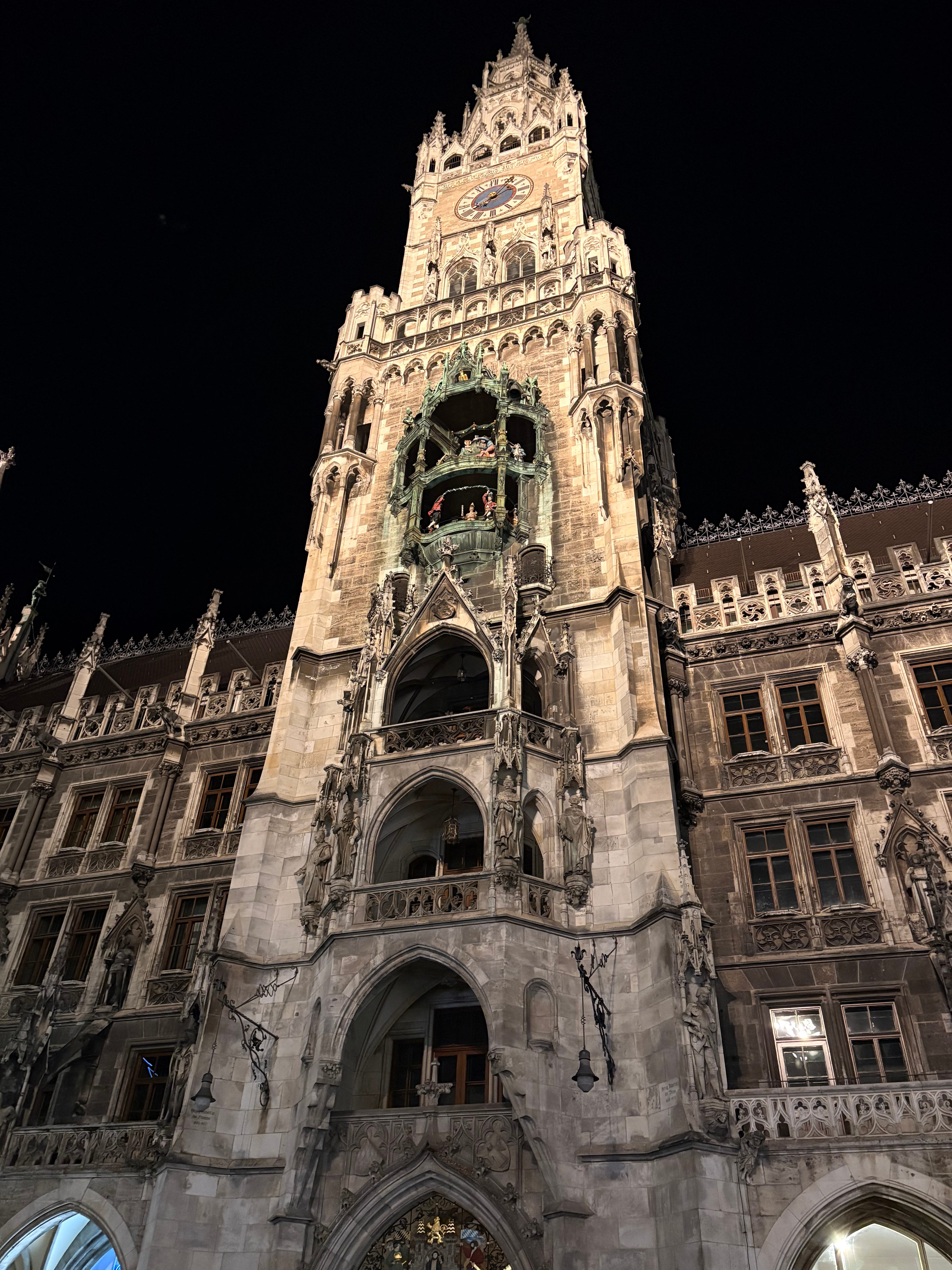
Waiting in line for my Munich Security Conference badge Thursday night, I noticed a green cap on the man in front of me – it read, “Empowering Resilience.” Having just spent a few days in Brussels speaking with NATO and EU colleagues about the security benefits of greater investments in food, water, and extreme-weather resilience for Europe, I figured he might be working on similar issues.
Not so much. The hat was from an innovation breakfast held at MSC for defense start-ups (one of which he helmed). While I’m sure there were some clean and renewable energy technologies on the table for investment, this guy’s definition of empowering resilience was almost certainly narrowly focused on the European defense industrial base.
I share this not to criticize. I personally think Europe does need to invest (smartly and strategically) in its own defense, and as much as I wish it wasn’t true, that defense will include weapons of war for the foreseeable future.
But military and defense industrial base resilience – these are just components of overall resilience that states must pursue in a world of cascading, systemic threats. Unfortunately, I think we’re still very far from any policy visions that truly embrace a strategic approach that doesn’t pit defense against climate or other more traditionally ‘soft’ security investments.
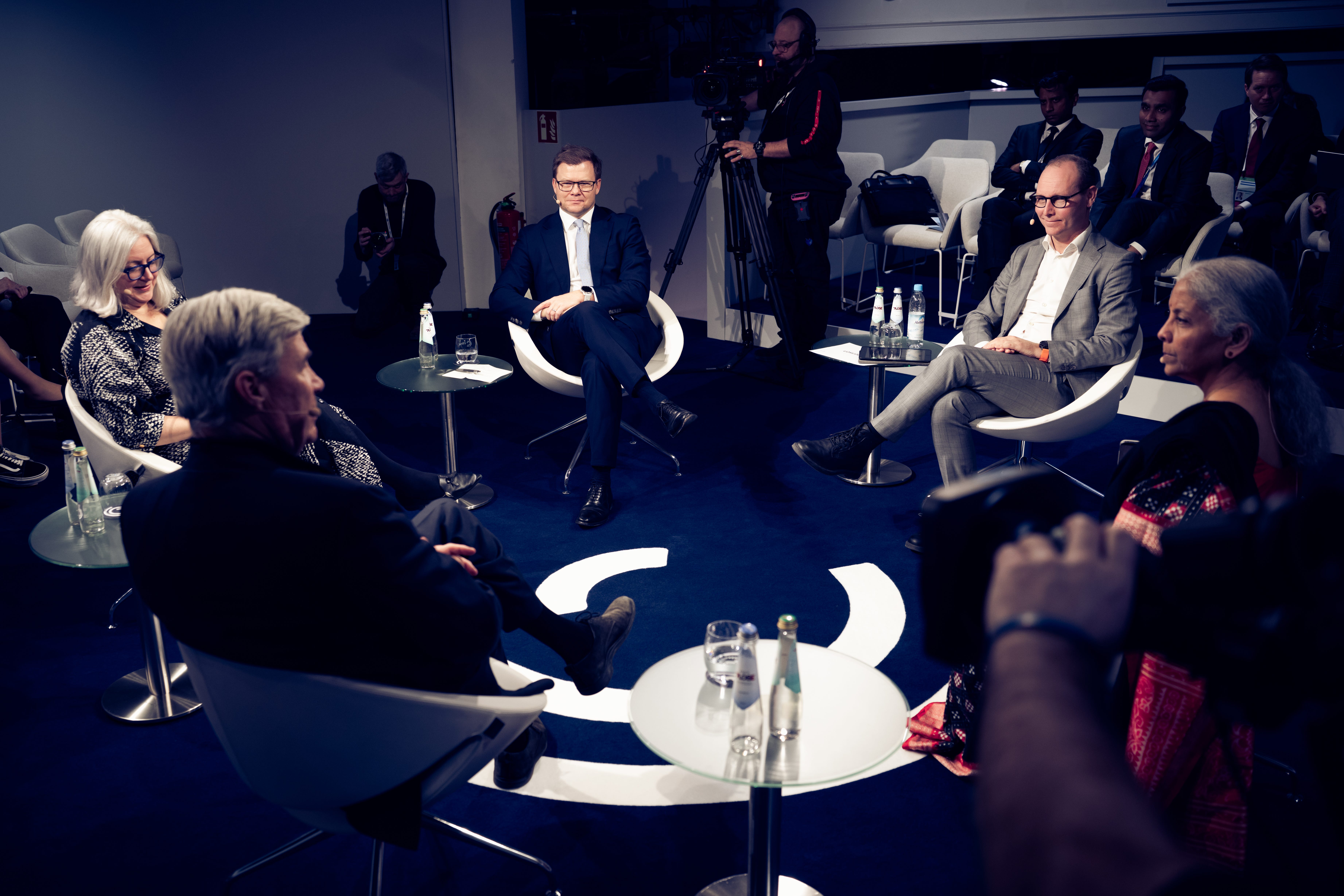
Despite this overarching strategic gap – you didn’t have to go far to find leaders talking about climate, food, and water security around the Bayershifhof over the past few days. Most of this talk was good, some of it was bad.
Let’s get the bad out of the way first. While far from the most odious part of US Secretary of State Marco Rubio’s mainstage speech, his warning about the “climate cult” was as disheartening as it was unsurprising. In a late night session I attended, US Ambassador to NATO Whitaker said he wouldn’t call himself a climate denier–”especially among this crowd”–but he was a climate skeptic. Not sure I see a material difference. At this point, I’m quite sure all US Administration officials have a checklist of references they must make in their speeches, and disparaging climate action is at the top.
European leaders and Democrats in attendance were not afraid to push back, at least rhetorically – with many going back to basics, feeling the need to reiterate that both climate and science are real. California Governor Gavin Newsom led a main stage panel on climate change, proclaiming, “Our resolve to confront climate change is enduring and we remain a stable, reliable partner in that fight.”1
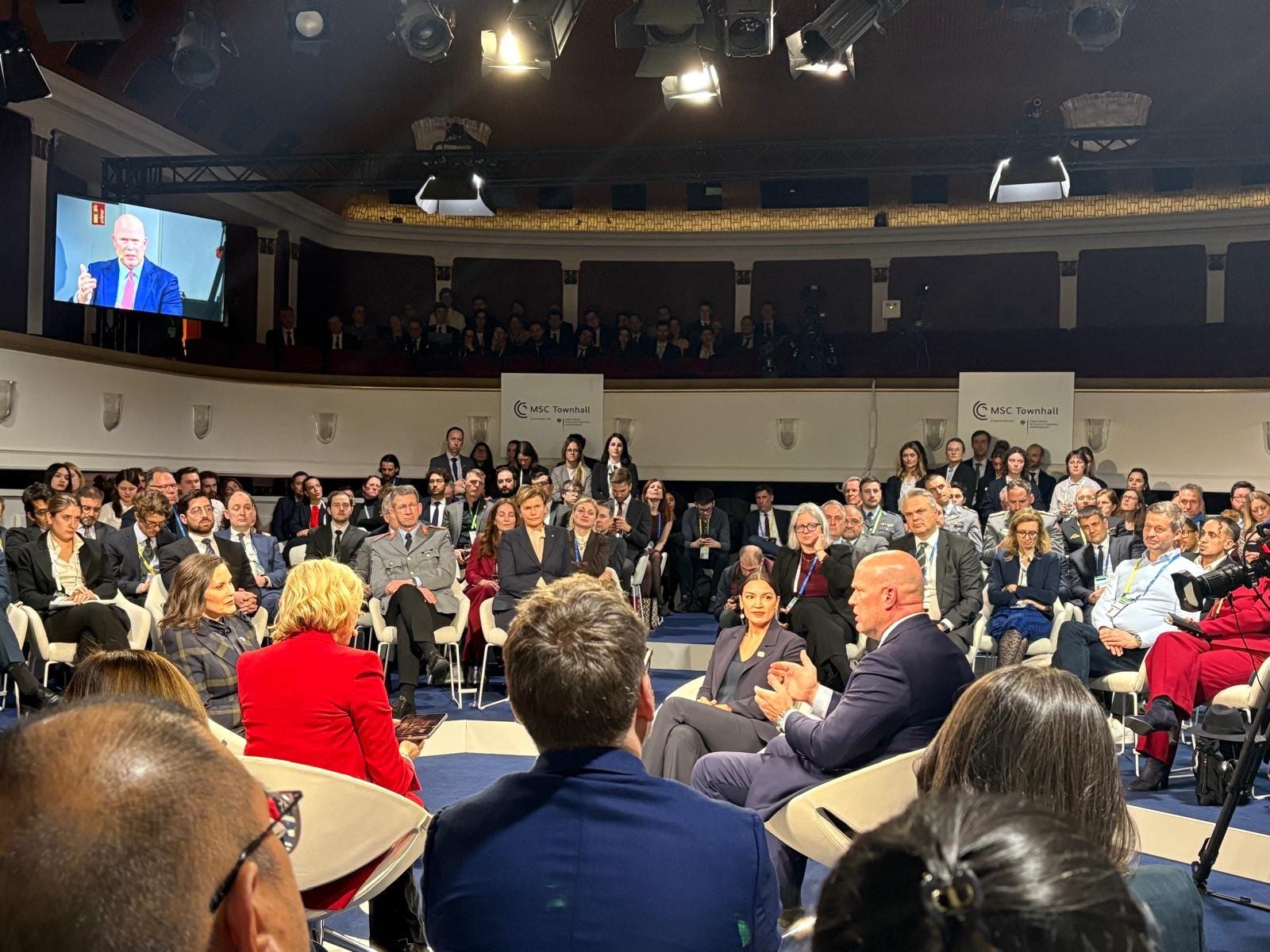
Investments in addressing climate change were also framed as giving states a competitive edge, by leaders from Finnish President Alexander Stubbs to US Representative Alexandria Ocasio-Cortez.
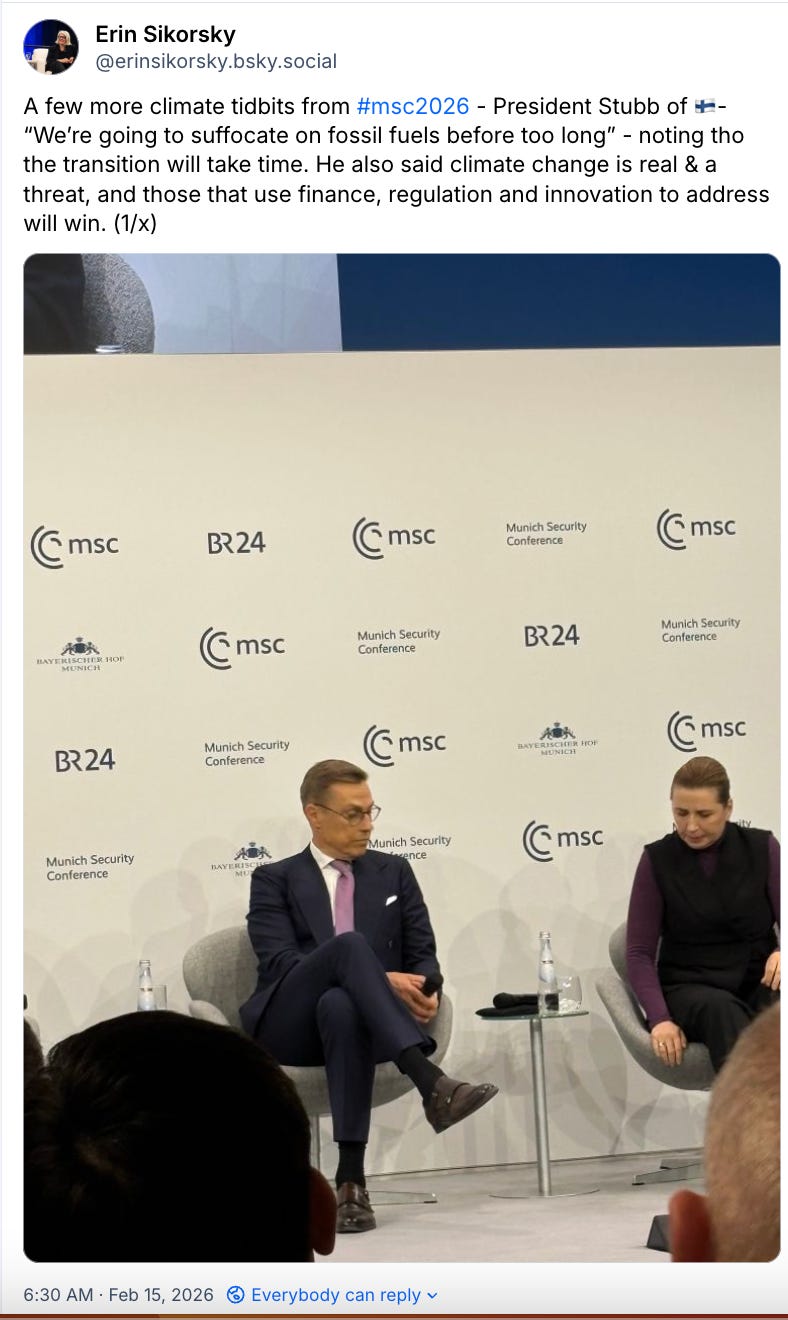
One of my favorite climate security moments came during a mainstage townhall on the topic that I moderated, when US Senator Sheldon Whitehouse made the connection between corporate disinformation on climate change and Russian hybrid warfare. The latter was an inescapable topic at MSC and having a US Senator connect the issue to climate disinformation was a powerful moment.
Overall, the biggest takeaway for me: those of us working on climate security and systemic risk must keep pushing to get these issues on the agenda in places like Munich. As I keep repeating – countries do not have the luxury of focusing on just one threat at a time. we won’t get investments in the defense industrial base right if we get climate adaptation and resilience investments wrong.
But we must be smart and strategic in how we push. We cannot just call everything security and hope military and defense actors will jump on board.2 Nor can we narrowly fight for our slice of the ‘resilience’ pie – whether clean energy, food systems, climate adaptation, humanitarian aid, water security, etc. We will all lose.
Instead, we must first listen to the defense community and understand where they are coming from. We must build and communicate a strategic vision of resilience that includes climate adaptation and security. I saw many pieces of this vision in different conversations throughout my time in Munich – it’s time to tie them all together.
More About Climate Security and Munich:
Beatrice Mosello of Chatham House has a good piece making the case that climate should be more a part of the conference.
Watch the full mainstage climate panel here and the climate security townhall here.
Newsom also held a series of meetings with European climate leaders, including the German Minister of the Environment and the EU Climate Commissioner Wopke Hoekstra. I’m supportive of this type of subnational diplomacy though I think it has less to do with actual climate security and more to do with targeted cooperation on clean energy/mitigation.
Here I am sympathetic to Daniel W. Drezner in his piece,
If Trump and his crew have forced everyone to revert back to making political statements that climate change is real, they’ve won. The discourse can’t let them turn back the clock ten or fifteen years. I hope we hear more about specific initiatives and proposals from this meeting.